When Is the Best Time to Visit Tanzania? A Month-by-Month Guide
Tanzania offers extraordinary wildlife viewing year-round — but the timing of your visit dramatically changes what you'll see, where to go, and what you'll pay. Here's our definitive guide.
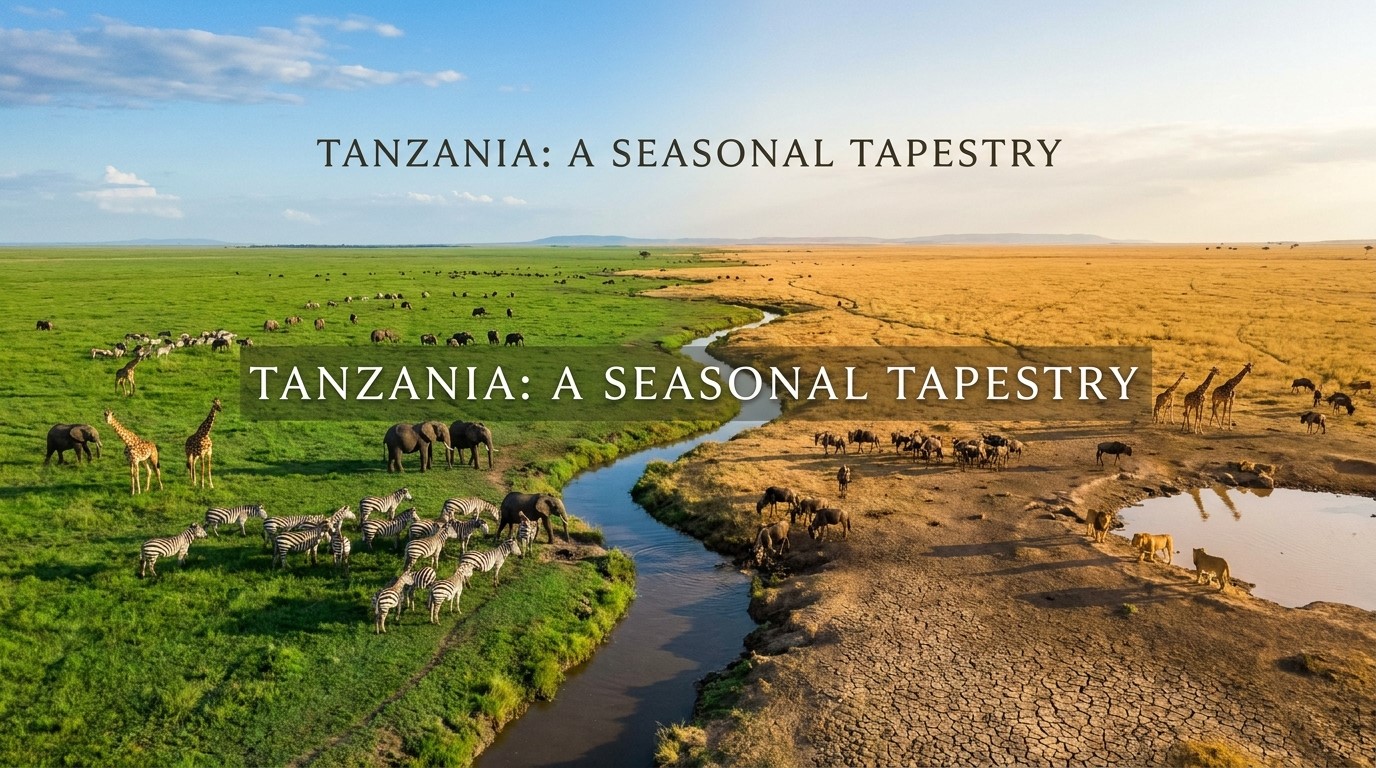
Tanzania is a year-round destination, but the experience changes dramatically with the seasons. Understanding when to go is one of the most important decisions you'll make when planning a safari.
The Dry Season (June–October)
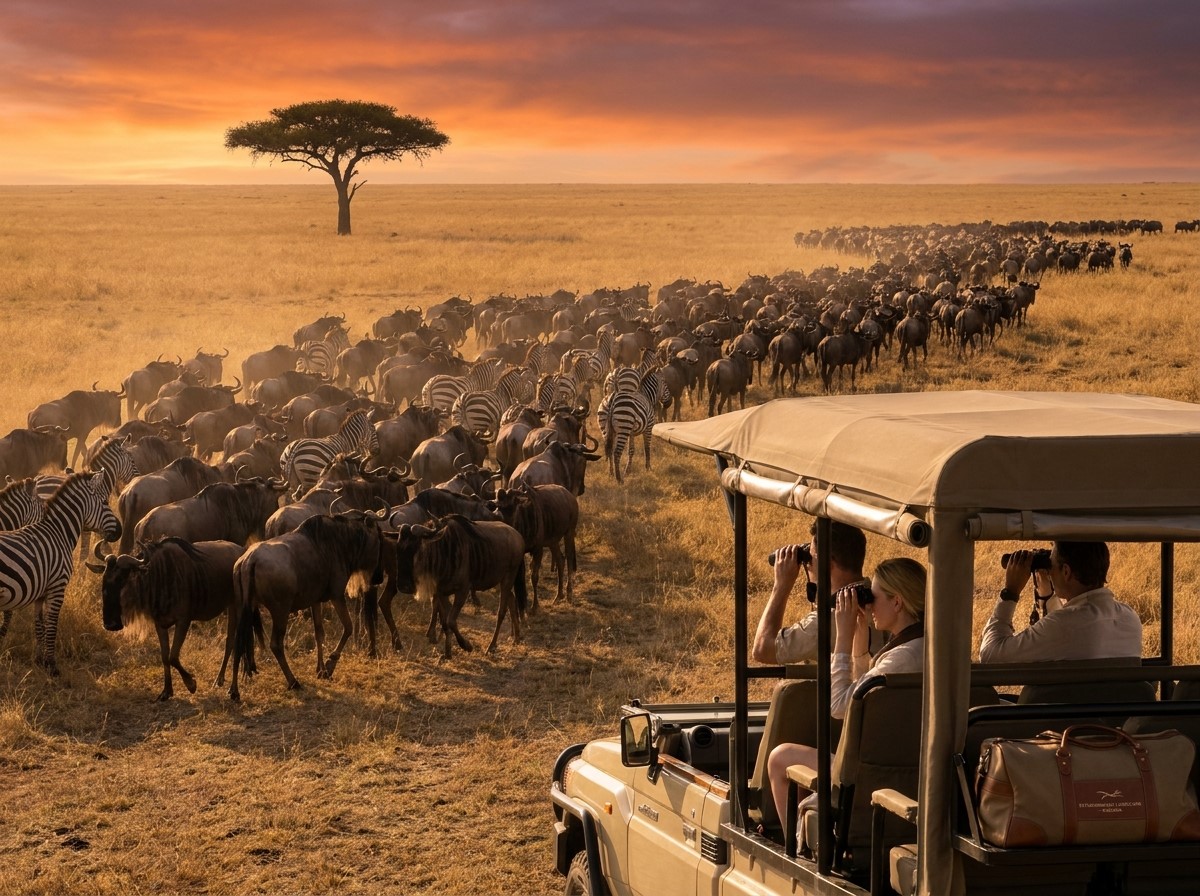
This is peak season for excellent reasons. Vegetation thins out, water sources concentrate wildlife, and the Great Migration reaches its most dramatic phase in the northern Serengeti. Expect stunning game viewing, higher prices, and more tourists at popular camps.
The Short Rains (November–December)
A transitional period bringing short afternoon showers. Wildlife is still excellent, prices drop significantly, and the landscape turns lush and green. Excellent for bird watching.
The Long Rains (March–May)
Tanzania's low season brings heavy rainfall and some camps close entirely. However, for the right traveler, this offers extraordinary landscapes, newborn animals, and the lowest prices of the year.
The Dry Season Returns (January–February)
One of the most underrated times to visit. The Serengeti sees calving season — thousands of wildebeest are born in just a few weeks, attracting predators and creating some of the most dramatic wildlife viewing of the year.
Inspired by this?
Let our specialists build the perfect Tanzania itinerary around you — no obligations.